Guide
Roof flashing types
The valley among the other five details.
Updated 2026-10-18 · 6 min read
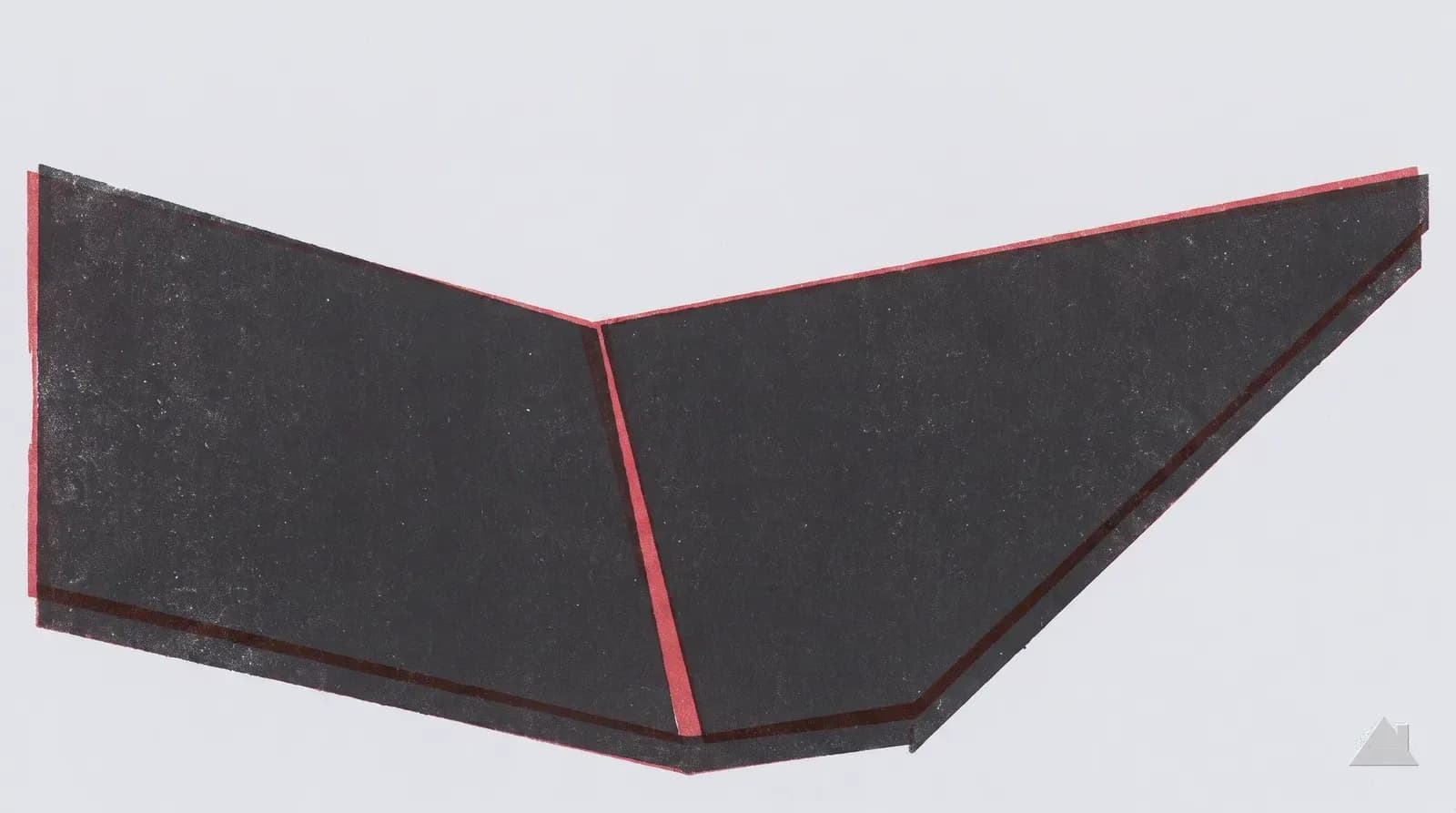
A valley is where two roof planes meet and every drop of water on both of them ends up. It is the highest-volume place on any roof, and there are three accepted ways to build it.
| Type | How it is built | Best on |
|---|---|---|
| Open | Metal down the centre; shingles cut back on both sides to leave a channel | High-volume valleys, snow, debris, heavy rain |
| Closed-cut | One plane run through; the other trimmed to a line just off centre | Most residential roofs; the default today |
| Woven | Courses from both planes interlaced across the centre | 3-tab shingles at equal pitch; rare on laminates |
Open valleys move the most water and shed debris the best, and they are the only sensible choice where snow slides or where a large plane drains into a small one. They also read as a deliberate detail rather than a joint, which is why they are common on architect-drawn roofs.
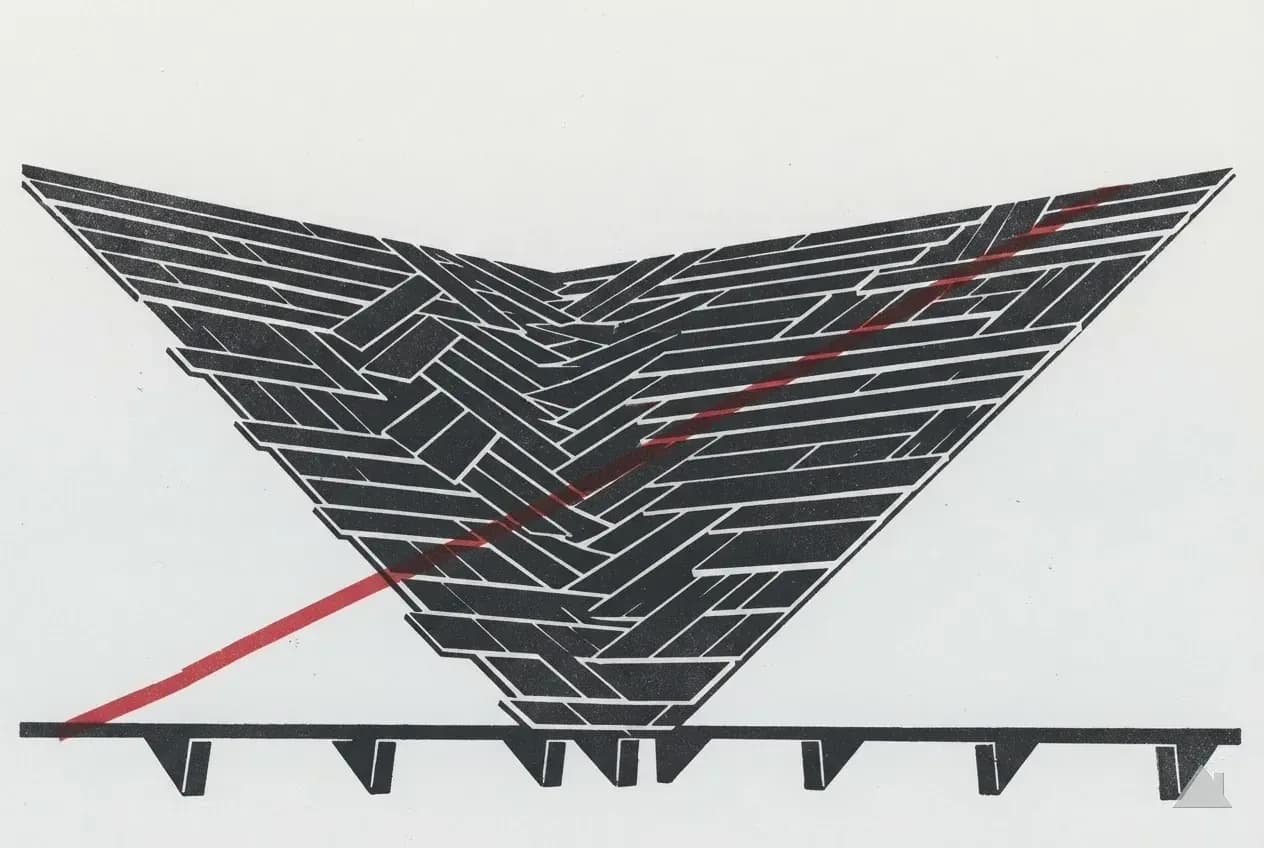
Closed-cut is faster, cheaper and invisible, and it is entirely adequate on ordinary residential valleys of similar pitch. Woven is largely historical: most laminate shingles are too thick to weave cleanly, and many manufacturers advise against weaving them.
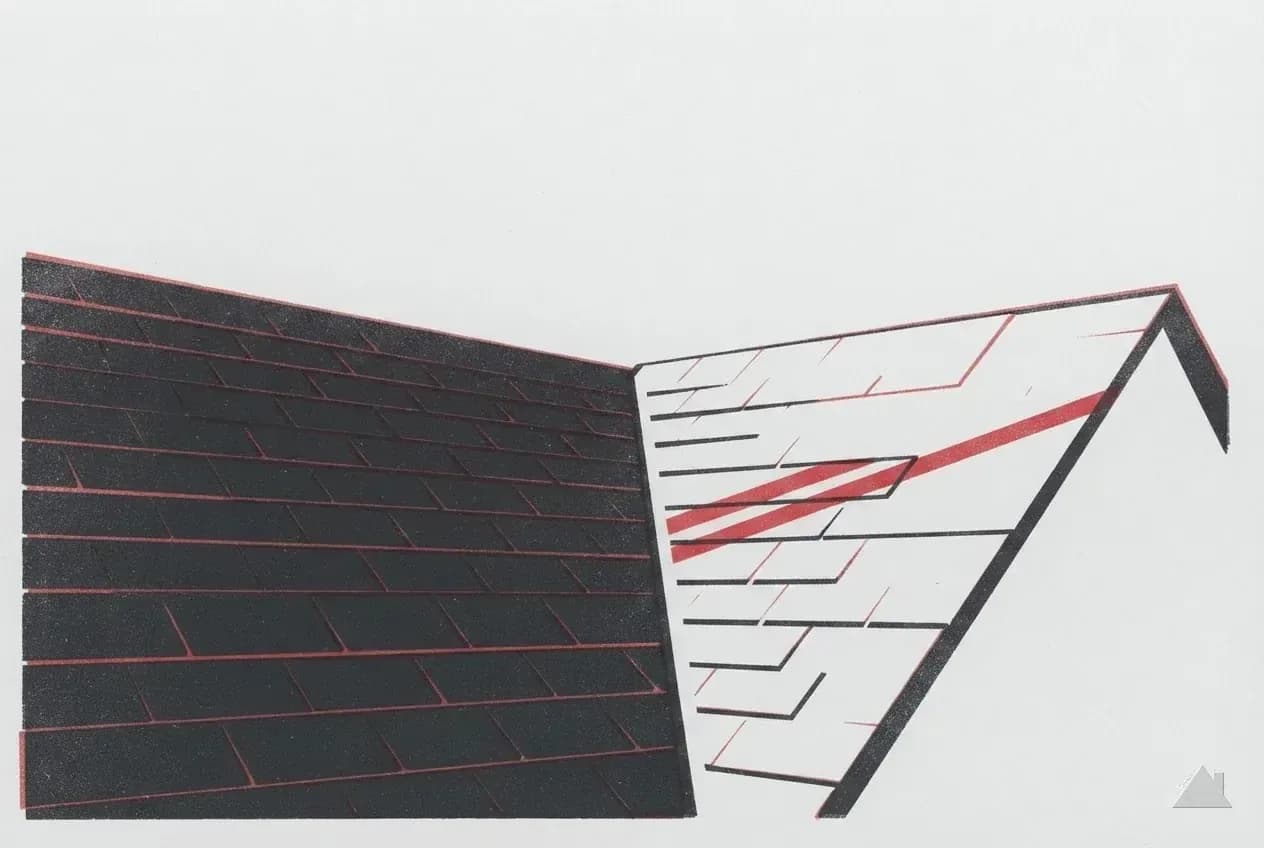
Open: valley metal too narrow, or fastened through its middle so the fasteners sit in the water path. Metal should be held at its edges only.
Closed-cut: the cut line drifting into the centre so the trimmed shingles sit in the flow, or nails driven close to the centre line — a nail in the valley is a nail in a stream.
Woven: a laminate forced to weave, which leaves the shingle unsupported over the centre where it eventually cracks.
Membrane first, always
Every valley gets a full-width self-adhering membrane down the centre before anything else, regardless of type. It is the layer that holds when ice backs water up the valley — see the underlayment guide.
Every course meeting a valley loses its tail to a cut, and those offcuts are waste. One or two valleys move a roof from the 10% waste band to 15%; a genuinely cut-up roof with several valleys and dormers earns 18% or more. Set it on the square calculator before you order, and add the valley metal by the linear foot on the estimate sheet.
The valley among the other five details.
The waste band a valley pushes you into.
What a failed valley costs to rebuild.
Valley rafter length on the 17-inch unit run, with its plumb cut.