Guide
Metal roof cost by panel type
All three systems priced against each other.
Updated 2026-10-18 · 8 min read
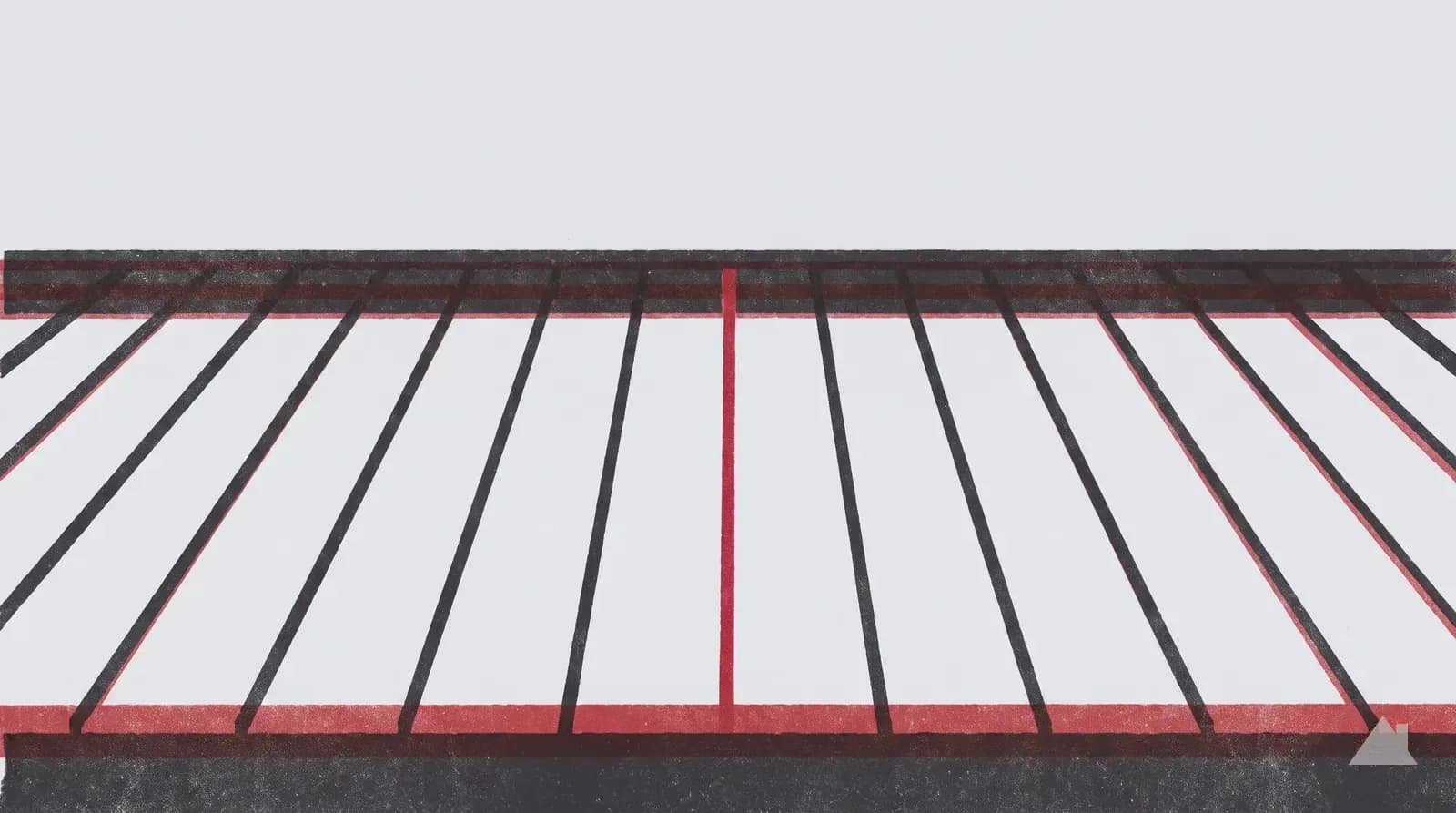
Standing seam spans roughly $7.00 to $30.00 a square foot installed, or $700 to $3,000 a square. On the 21-square worked roof that is $14,700 to $63,000 before tear-off. It reaches higher than any other metal style, and it is the only one with no fastener through the weather plane — the standing seam vs exposed fastener comparison shows what that buys, and how metal roofs are installed shows where the clips, closures and labour in the price go.
A snap-lock panel engages its neighbour by hand pressure; a mechanically seamed panel is folded closed by a machine that runs the length of the seam, once for a single lock and twice for a double. Snap-lock is faster, cheaper and entirely adequate on a normal residential pitch. Mechanical seaming belongs on low slopes, on roofs that see driven snow, and wherever the manufacturer’s warranty asks for it.
Slope decides the seam, not taste
Below about a 3/12 pitch, most manufacturers require a mechanically seamed profile, often double-locked and sometimes with a sealant in the seam. Check the pitch on the pitch calculator before you price a snap-lock panel.
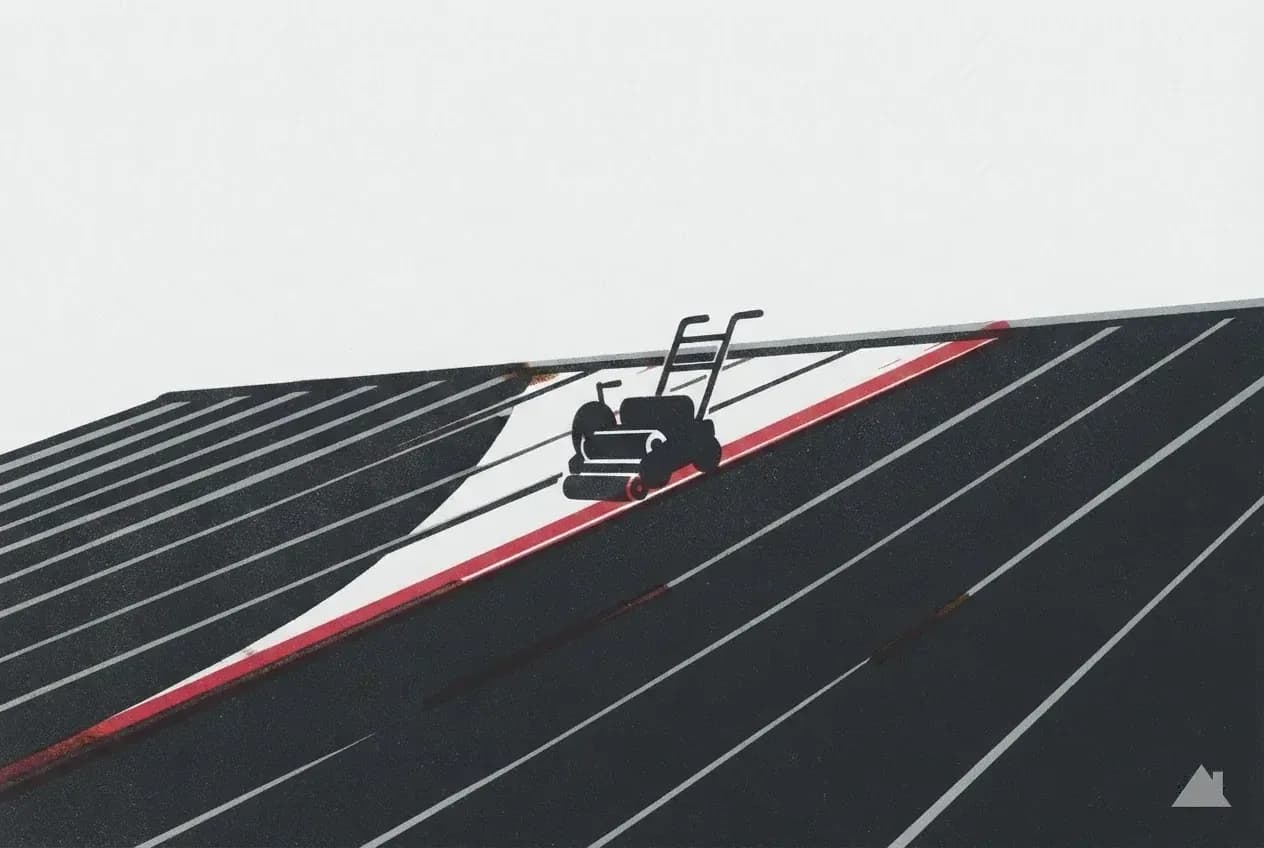
A portable roll former turns a coil into panels on the driveway. That removes freight damage, removes the length limit that a truck imposes, and lets one panel run eave to ridge without a transverse seam — which matters, because a transverse seam in the middle of a run is the one detail on a standing seam roof that reliably leaks eventually.
The trade-off is mobilisation. Bringing a former to a small, cut-up roof costs more than the freight it saves. The rule of thumb most contractors use: long simple runs get site-formed, small complicated roofs get shop-formed to length.
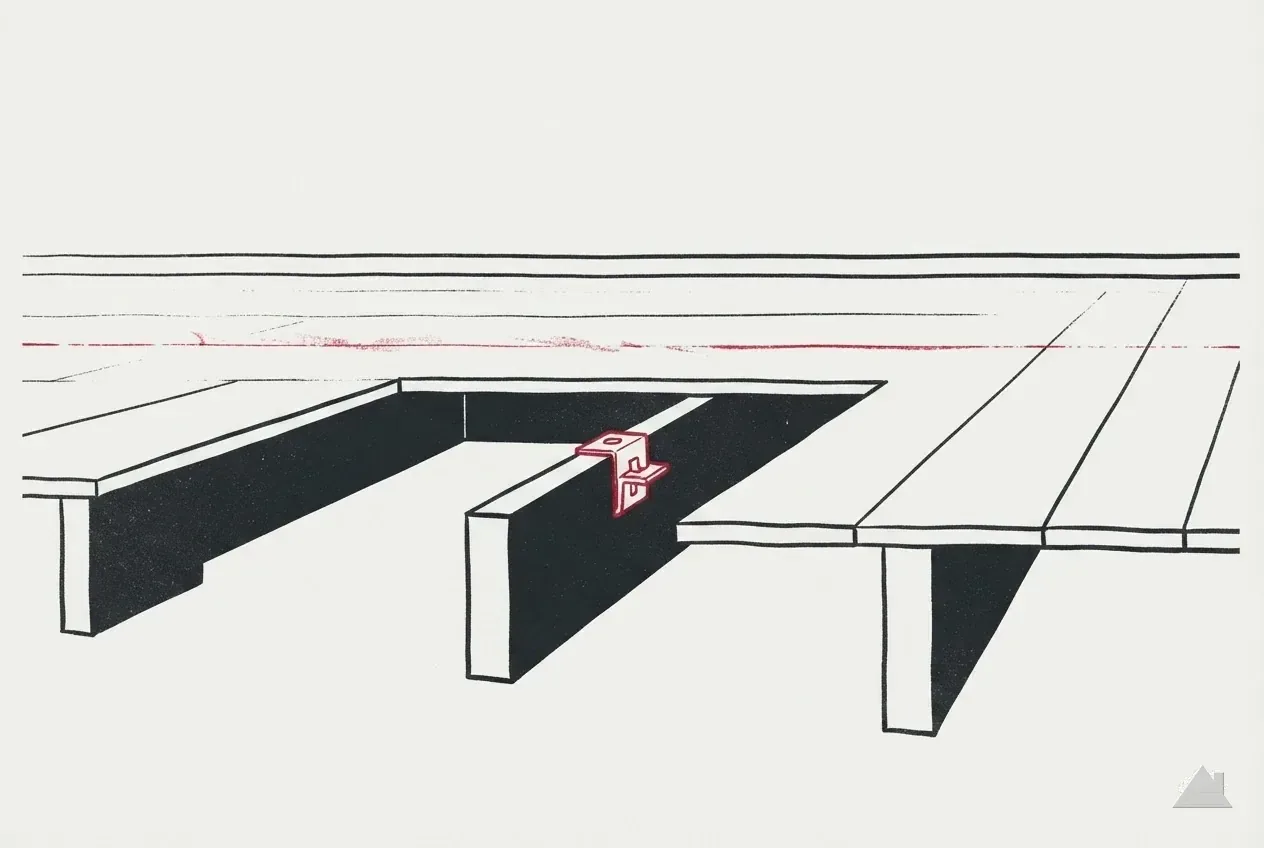
Four numbers tell you what you are buying: gauge (24 or 26), panel width in inches, seam height in inches, and clip type — fixed or floating. Floating clips let the panel move with temperature and are what makes a long run possible. Then read the finish warranty separately from the substrate warranty; they are different documents with different lengths, and the paint is usually the shorter of the two.
Compare the whole system against asphalt on the material matrix, or price your roof on the metal cost calculator.
All three systems priced against each other.
Panels, trim and tear-off as separate lines.
The details a metal roof lives or dies on.
Clips against screws: what the extra money buys.
Where the clips, closures and labor in the price go.