Tool
Roof square calculator
Footprint and pitch to net and ordered squares.
Updated 2026-10-18 · 6 min read
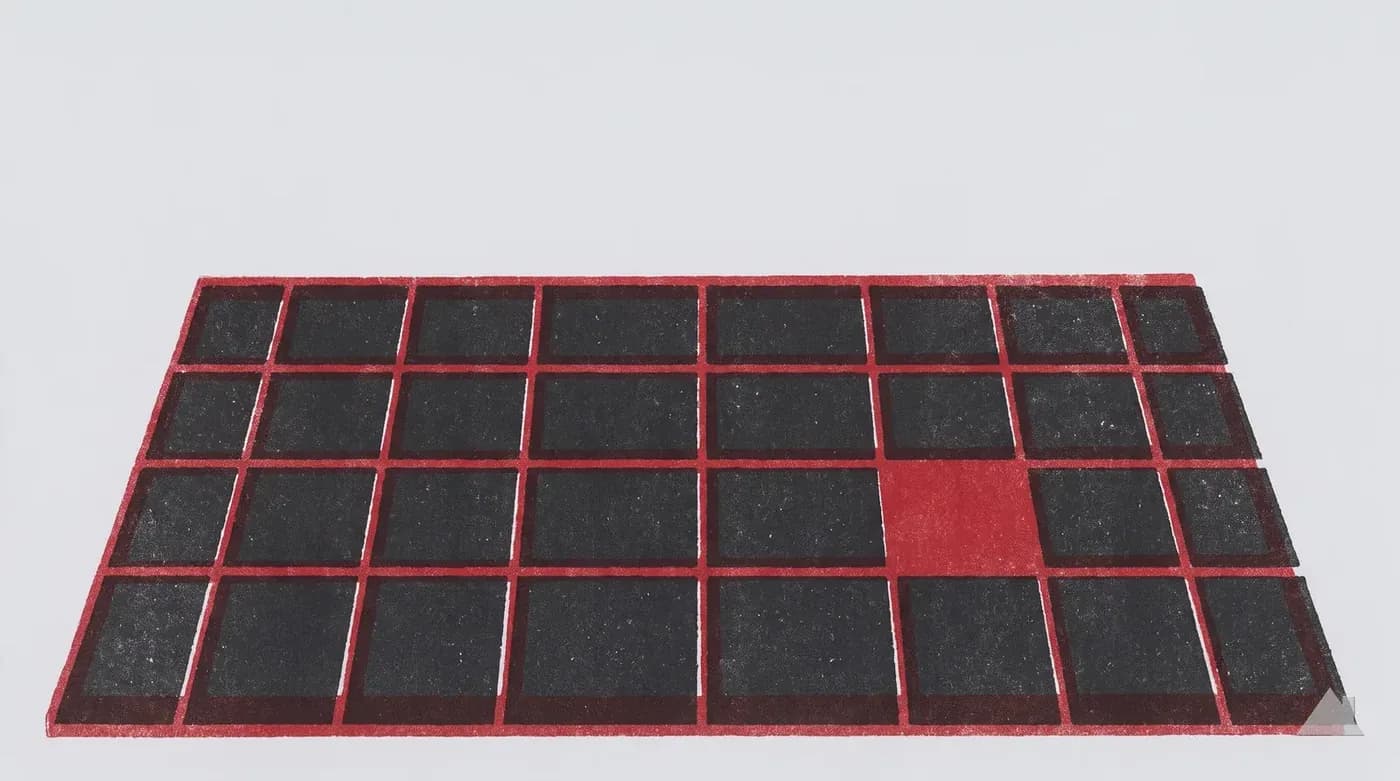
A roofing square is exactly 100 square feet of roof surface — a ten-by-ten patch. It is not a unit of area anyone else uses, and that is the point: it is sized so that a square of standard shingles is 3 bundles, roughly what one roofer carries up a ladder in three trips. Everything downstream is quoted against it.
The whole takeoff is one chain. Footprint × pitch multiplier gives roof surface; surface ÷ 100 gives squares; squares × 3 gives bundles; squares × the installed rate gives the price. A twenty-square asphalt roof is sixty bundles and, at $400 to $800 a square installed, somewhere between $8,000 and $16,000 of covering.
Break the chain anywhere and the number is wrong everywhere after it. The square calculator and the bundle calculator run the two halves of it.
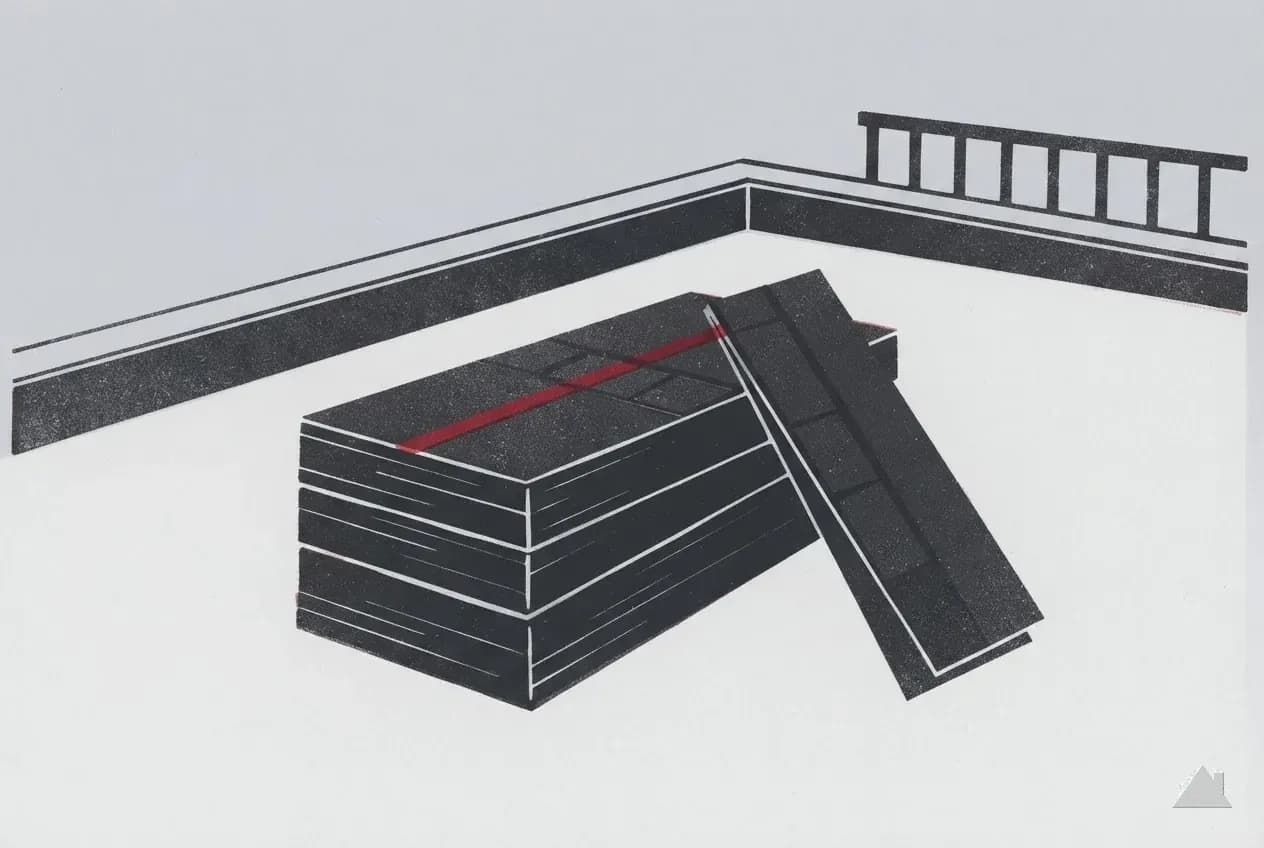
The most expensive mistake in a self-measured takeoff is counting the footprint as the roof. A 1,700 sq ft plan is seventeen squares of floor and 19.0 squares of roof at 6/12 — 11.8% more. At 10/12 it is 22.1 squares. The correction is the pitch multiplier, and it applies before anything else.
Overhang is roof too
Squares are measured to the drip edge. Soffit overhangs add real area on all four sides and are routinely left out of a homeowner’s measurement — which is why a contractor’s square count usually comes in higher than the one from a satellite app.
There are two square counts on every job and they are never the same. Net squares is the surface you are covering. Ordered squares is net plus waste — 10% for a plain gable, 15% for hips and valleys, 18% or more for a cut-up roof. Waste pays for the starter cut from full shingles, the cap cut from field shingles, the valley cuts and the offcuts at every rake. A bid quoting net squares and a bid quoting ordered squares will look 15% apart on paper and be identical in reality.
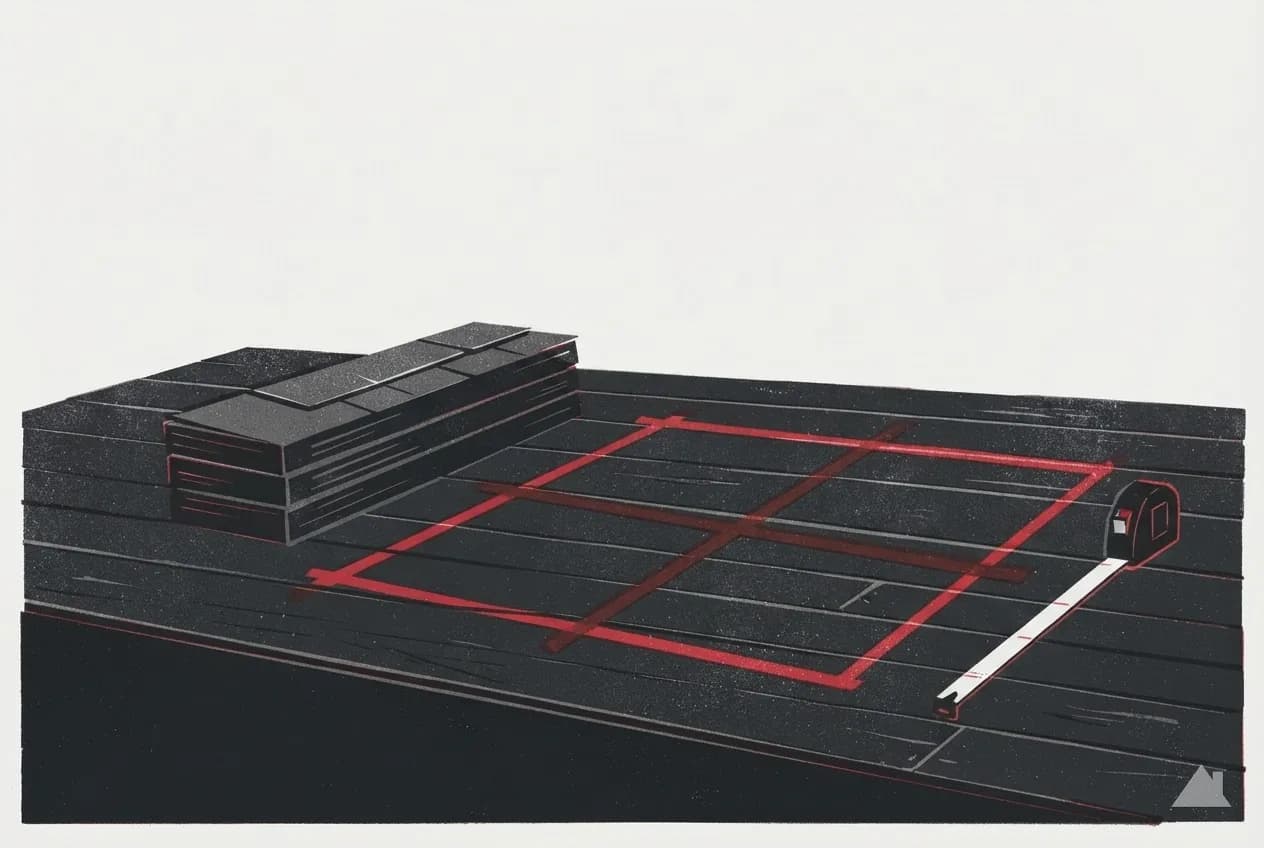
When a contractor says “six hundred a square”, ask two questions: how many squares, and net or ordered. Those two answers turn a rate into a price, and they are the two most common places for a bid to be quietly different from its neighbour. Once you have both, the cost calculator will tell you whether the rate is in the national band, and the replacement cost guide explains what belongs inside it.
Footprint and pitch to net and ordered squares.
The multiplier that turns floor area into roof area.
What the labour half of a per-square rate buys.